


Weed damage and your solution
- Roberto Brass
- Mar 12
- 2 min read
A beautiful landscape can quickly lose its appeal when weeds take hold. Whether they appear in lawns, garden beds, or around hardscapes, weeds compete with desirable plants for water, nutrients, and sunlight. Over time, unmanaged weed growth can weaken turf, damage ornamental plants, and reduce the overall health of your landscape.
Understanding how weeds damage landscapes—and how to control and repair the damage—is essential for maintaining a healthy, attractive outdoor space.
What Weed Damage Looks Like


Weed damage can appear in several ways, depending on the type of weeds present and how long they have been growing. Some common signs include:
1. Patchy or thinning lawns
Aggressive weeds like crabgrass and dandelions spread quickly, pushing out healthy turfgrass and leaving bare or uneven areas.
2. Stunted plant growth
Weeds compete for nutrients and water. When weeds dominate a garden bed, ornamental plants may grow slowly or fail to bloom.
3. Soil nutrient depletion
Fast-growing weeds absorb large amounts of nutrients, leaving the soil less fertile for desirable plants.
4. Increased pest and disease issues
Dense weed growth can trap moisture and create a habitat for insects and fungal diseases.
Common Landscape Weeds

Different weeds cause different types of problems. Some of the most common landscape weeds include:
Dandelions – Deep-rooted broadleaf weeds that quickly spread by seed.
Crabgrass – An annual grassy weed that thrives in thin or stressed lawns.
Clover – Often appears in nutrient-poor lawns and spreads rapidly.
Plantain – A broadleaf weed that thrives in compacted soil.
Identifying the type of weed is the first step in choosing the right control strategy.
Effective Weed Control Methods
Controlling weeds requires a combination of methods rather than a single solution.
1. Manual Removal

Hand-pulling weeds is one of the most environmentally friendly methods. Removing the entire root system prevents regrowth, especially for perennial weeds.
2. Mulching
Applying 2–3 inches of mulch in garden beds blocks sunlight, preventing many weed seeds from germinating.
3. Herbicides
Selective herbicides can target weeds without harming turfgrass or ornamentals. Pre-emergent herbicides stop weed seeds from sprouting, while post-emergent herbicides eliminate established weeds.

4. Landscape Fabric
Landscape fabric installed beneath mulch helps reduce weed growth while still allowing water and air to reach the soil.
How to Repair Weed Damage
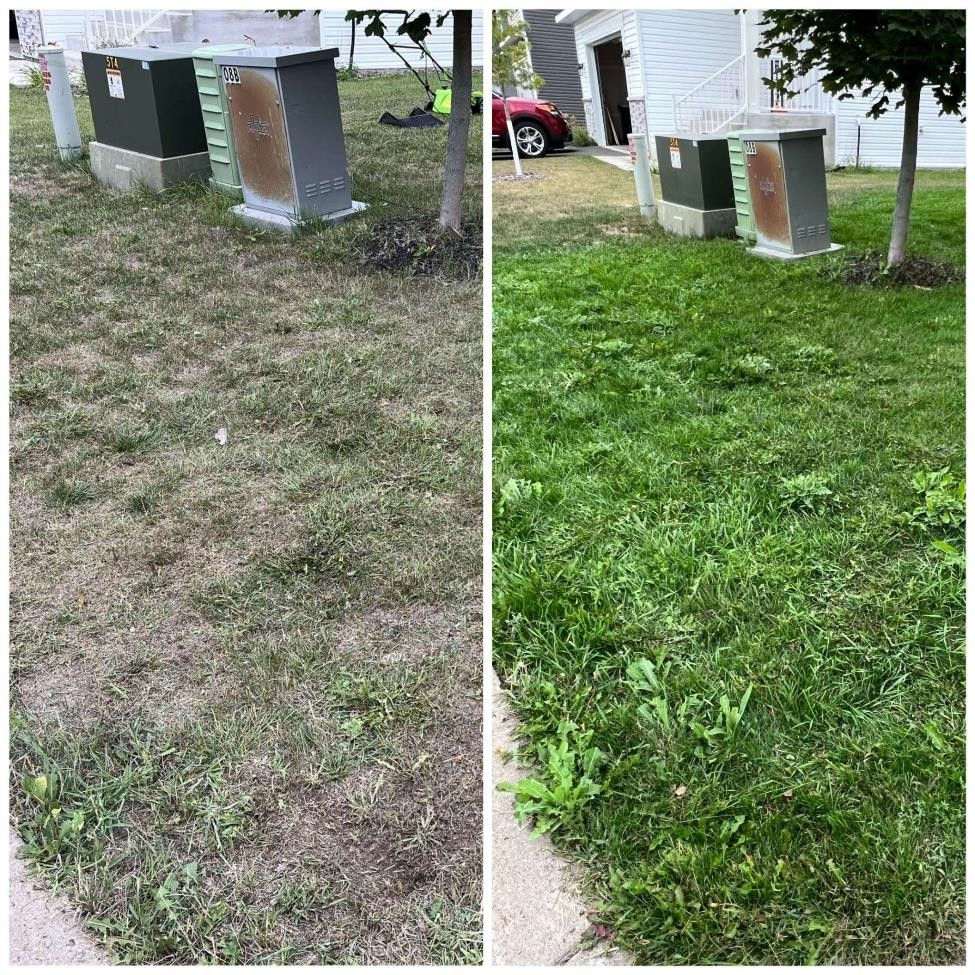
After weeds are removed, restoring the landscape is just as important as controlling them.
1. Reseed or Overseed the Lawn
Bare areas left after weed removal should be filled with new grass seed to prevent weeds from returning.
2. Improve Soil Health
Adding compost or organic matter helps replenish nutrients that weeds may have depleted.
3. Aerate Compacted Soil
Soil aeration improves root growth and water absorption, making it easier for grass and plants to thrive.
4. Maintain Proper Lawn Care
Regular mowing, watering, and fertilization help strengthen desirable plants, so they naturally resist weed invasion.

Long-Term Weed Prevention
The best way to deal with weeds is to prevent them from taking hold in the first place.
Maintain thick, healthy turf.
Apply pre-emergent treatments during early spring.
Refresh mulch annually in garden beds.
Address drainage or soil issues that favor weed growth.
Healthy landscapes naturally resist weeds. By combining proper maintenance with timely control methods, homeowners can keep their lawns and gardens vibrant, balanced, and weed-free.


Comments